

 Thai
Thai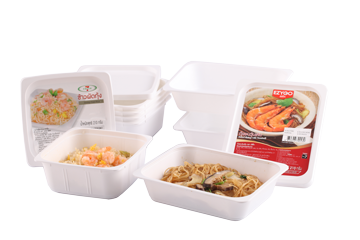
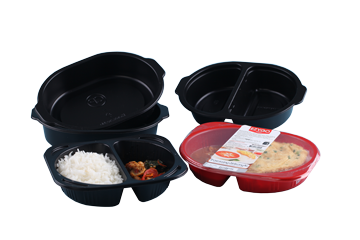
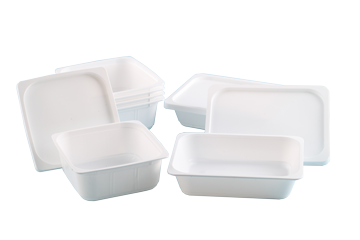
Ready-to-eat meals are becoming increasingly popular as they fit the fast-paced lifestyle of modern consumers. As a result, food packaging plays an essential role in supporting the growth and development of the food industry.
The company manufactures a wide range of food packaging solutions, including microwaveable packaging designed for ready-to-eat meals, as well as packaging suitable for both frozen and chilled foods.
Food packaging refers to materials or containers used to store, protect, transport, and display food products. Its primary purpose is to prevent food deterioration, contamination, and loss of quality, while helping maintain the safety and freshness of food throughout its shelf life.
Food packaging can generally be divided into two main categories: paper packaging and plastic packaging. Each type offers different properties and is suitable for different applications. Selecting the right food packaging helps ensure the quality, safety, and integrity of food products during storage and transportation, while also reducing product damage and food loss throughout the supply chain.
Plastic Food Packaging
Paper Cups
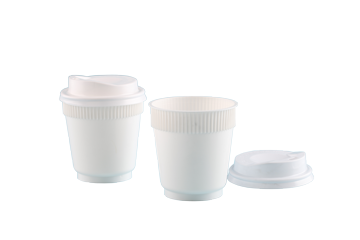
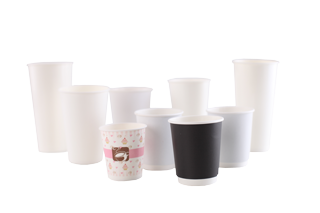
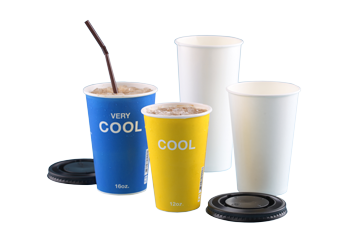
Paper cups are packaging solutions designed for serving and containing beverages such as drinking water, fruit juices, and other beverages. They are available in a variety of sizes and shapes to meet customers’ specific requirements.
Paper Bowls
Paper bowls are packaging solutions designed for serving and containing a wide range of food products. They are available in various sizes and offer excellent strength and durability, making them suitable for a wide range of applications and occasions.
Paper Plates and Paper Trays
Paper plates and paper food trays are packaging solutions designed for serving and containing food, particularly for parties, events, and occasions where large quantities of plates are required. They are available in a variety of sizes and provide good strength and durability for different food service applications.
Paper Boxes
Paper boxes are packaging solutions designed for food packaging, particularly for transportation, storage, and takeaway applications. They are available in various sizes to meet different requirements and offer good strength and durability for protecting food during handling and transportation.
Paper Food Packaging
Paper Cups and Paper Bowls
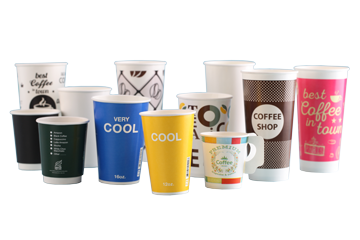
Paper cups and paper bowls for food and beverages are manufactured according to customers’ specific designs and requirements. The company utilizes Flexographic (Flexo) printing technology, a widely recognized printing technology for food packaging applications.
Customers can choose between single-wall and double-wall paper packaging, suitable for both hot and cold food and beverages. In addition, the company also offers biodegradable plastic cups, providing a more environmentally friendly packaging option.
Plastic Glasses
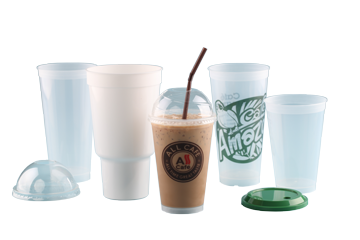
Plastic glasses are commonly made from PET (Polyethylene Terephthalate), a strong and durable material that can be easily molded into various shapes and is cost-effective. PET plastic is also recyclable, making it a suitable option for applications where recyclability and environmental considerations are important.
Plastic Cups
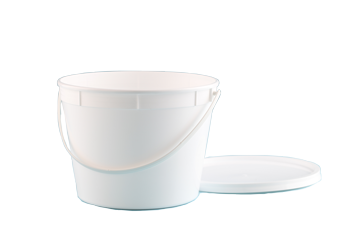
Plastic cups are packaging solutions commonly used for beverages and small food portions. They are generally larger than plastic glasses and are often made from PS (Polystyrene), a material known for its transparency and strength.
Plastic cups can be used for a variety of food and beverage applications and are also recyclable, providing an option that supports more sustainable packaging practices.
Plastic Plates
Plastic plates are packaging solutions designed for food applications. They are generally larger in size and are commonly used for seminars, events, catering, and large gatherings.
Plastic plates are typically made from PP (Polypropylene), a strong and durable material with good heat resistance. They are also recyclable, making them a practical option for food service applications while supporting environmentally conscious packaging practices.